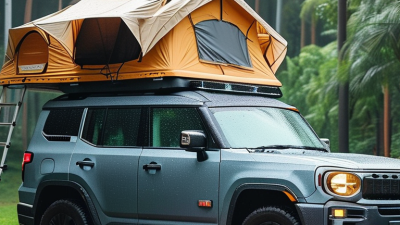
What Is the Best Car Top Tent from China?
Choosing the best Car Top Tent from China requires more than comparing photos and prices. Real performance appears after sunset, when wind tightens the fabric and condensation gathers near the roof. A practical evaluation should examine waterproof ratings, aluminum frame strength, mattress thickness, ladder stability, ventilation, and zipper quality. These details affect comfort, safety, and long-term value.
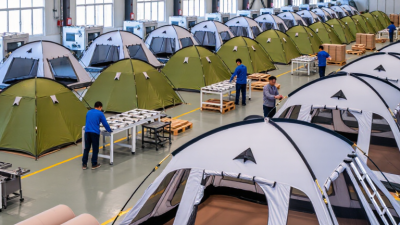
China offers a wide range of rooftop tent manufacturers, from small workshops to experienced factories with established export records. However, product quality can vary significantly between suppliers. A reliable manufacturer should provide clear specifications, material samples, inspection records, and honest load information. Factory audits, third-party testing, and customer feedback add useful evidence. Still, no certificate replaces careful product inspection.
Small details matter.
For example, reinforced stitching around the ladder mounts may prevent fabric tearing during repeated setup. Strong gas struts can make opening easier, but they may feel stiff in cold weather. A thick mattress improves sleep, although it can reduce interior storage space. Buyers should also confirm roof-load limits with the vehicle manufacturer, not only the tent supplier. Shipping damage, replacement parts, and after-sales communication deserve equal attention.
This guide compares key features, manufacturing signals, and practical ownership concerns. Some conclusions may remain imperfect because specifications change between production batches. That uncertainty should be acknowledged, not hidden. The best choice is not always the cheapest or most luxurious model. It is the Car Top Tent that fits the vehicle, climate, travel habits, and expectations with dependable evidence behind it.
What Is a Car Top Tent and How Does It Work?
What Is the Best Car Top Tent from China?
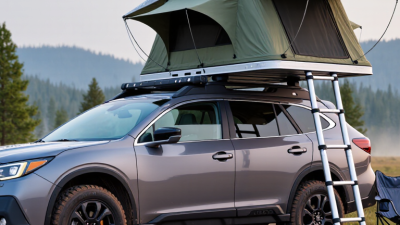
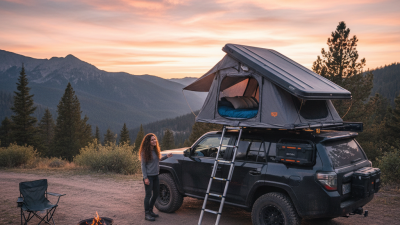
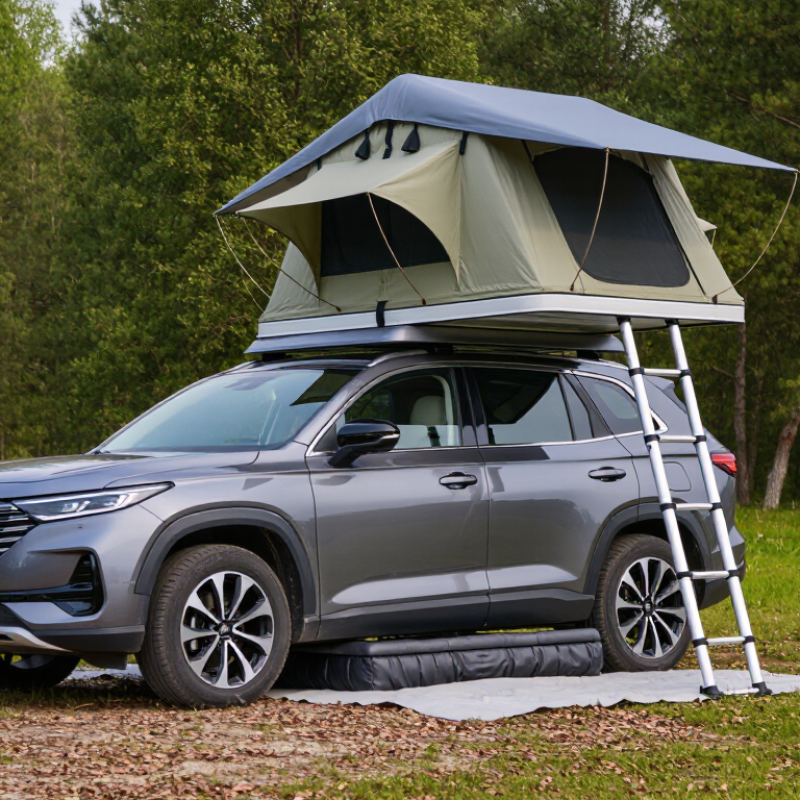
A car top tent is a compact sleeping shelter carried above a vehicle. It attaches to a properly rated roof rack, not directly to the car roof. When parked, the tent unfolds and creates an elevated sleeping area. A telescoping ladder usually supports access and helps stabilize the entrance.
The system works through a simple balance of weight, structure, and weather protection. First, park on firm, level ground and engage the handbrake. Then confirm the rack’s dynamic and static load ratings before opening the tent. The folded cover protects the fabric while driving, while aluminum frames, hinges, and poles hold the shelter open at camp. A thin mattress improves comfort, but cold air can still enter from below. The romantic part is real. The setup is not effortless. I would also avoid judging quality from photos alone, because stitching, ladder joints, ventilation, and waterproof testing matter more during use.
Tips: Check every hinge, strap, and seam before departure. Keep the ladder fully locked and never drive with the tent open. Follow the vehicle and tent manuals, and respect local parking, camping, and road-safety rules. In strong wind or severe weather, closing the tent may be the safer decision. A careful buyer should compare materials, load ratings, spare-part access, and after-sales documentation instead of choosing only by price.
Which Types of Car Top Tents Are Made in China?
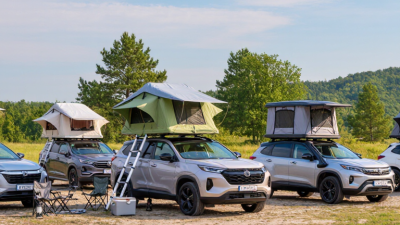
China produces several practical types of car top tents, each suited to different travel habits. The common soft-shell tent folds open like a book and usually includes a thick mattress, aluminum poles, and a waterproof canvas cover. It offers more interior space, but setup may take several minutes in rain or wind. I once preferred this design for its roominess, then noticed its larger folded shape affected fuel use.
Hard-shell tents use an aluminum or fiberglass shell that opens with gas struts. They normally deploy faster and provide better protection for bedding during transport. Their compact profile can reduce wind resistance, although interior space is often limited. Pop-up models are useful for short trips and frequent relocation. Check the shell thickness, hinge quality, and locking system carefully.
Some Chinese manufacturers also produce inflatable roof tents with air beams instead of metal poles. They are light and comfortable, but a puncture can interrupt a trip. Family-sized fold-out designs may include side rooms, ladders, and annex walls. These features improve privacy, yet they increase weight and setup time. Before buying, compare the tent’s static load rating with your vehicle’s roof and rack limits. Ask for fabric specifications, waterproof testing, seam construction, and installation instructions. Product photos can look convincing. Real measurements matter more. My remaining concern is consistency between production batches, so independent inspection is worth considering.
How to Compare Quality, Safety, and Comfort
When comparing a car top tent from China, inspect construction before appearance. During a recent fitting, I checked aluminum rails, hinge movement, and every fabric seam. Strong stitching matters because roof loads shift when wind or people move. Look for clear static and dynamic load ratings, not vague claims. The tent must match your vehicle’s roof system, mounting points, and approved capacity. A beautiful shell cannot fix an unsuitable installation.
Safety starts with traceable materials and consistent factory inspections. Ask for corrosion-resistant hardware, fabric safety information, and rain-test records. Check whether the ladder locks securely at several angles. Open the tent on level ground, then examine gaps around hinges and rails. The floor should feel rigid, without sharp edges or unexpected flex. Independent test reports are useful, but paperwork alone is not proof. That is easy to forget. Always follow local vehicle regulations and the vehicle maker’s roof limits.
Comfort depends on small details. A mesh window with an adjustable cover improves airflow and privacy. A thicker mattress feels better, but it reduces packed clearance. This trade-off deserves attention. I once underestimated condensation on a cool morning; ventilation mattered more than expected. Zippers should run smoothly, and the ladder should not block entry. Request spare-part availability, warranty terms, and clear assembly instructions. A reliable supplier answers technical questions precisely and admits limitations.
How to Choose a Chinese Car Top Tent for Your Vehicle
What Is the Best Car Top Tent from China?
How to Choose a Chinese Car Top Tent for Your Vehicle
Choosing a Chinese car top tent starts with your vehicle, not the tent’s appearance. Check the roof’s dynamic load rating in the owner’s manual. A tent may weigh 60 kilograms, while bedding and occupants add much more. The vehicle must handle that moving load safely. Confirm the crossbar spacing, mounting width, and roof shape. A poor fit can cause vibration, noise, or damage. It looks simple. It is not.
KOA’s 2024 North American Camping Report recorded 57.8 million camping households in 2023. This growth increases demand for compact sleeping systems. Grand View Research also valued the global camping equipment market at nearly 20 billion dollars in 2023. Chinese suppliers offer many choices, but specifications can vary. Compare fabric weight, waterproof testing, ladder capacity, hinge construction, and mattress ventilation. Look for documented tests under recognized standards, not only sales claims. A 280-gram polyester fabric may feel strong, yet stitching and seam sealing decide real weather performance. Ask for clear warranty terms and replacement-part support.
Test the tent before a long trip. Open it beside your vehicle and inspect every joint. Measure the packed height against garages and low branches. I would avoid choosing only by price; that shortcut often hides weak hardware. Still, an expensive model is not automatically better. Request load data, installation instructions, and corrosion information in writing. Chinese manufacturing quality can be excellent, but consistency depends on factory control and inspection. That point deserves careful attention.