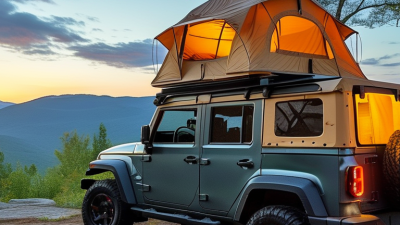
A roof tent can turn a quiet parking spot into a bedroom, but the right choice depends on more than price. Auto Roof Tents vary in setup time, sleeping capacity, weather protection, and the load a vehicle can safely carry. A plush mattress feels appealing in a showroom; after a windy night, shell design and ventilation may matter more.
Outdoor recreation is drawing a broad audience. The Outdoor Industry Association’s 2024 Outdoor Participation Trends Report says 175.8 million Americans took part in outdoor recreation in 2023. KOA’s 2024 North American Camping Report also notes that 58 million North American households camped at least once that year. These figures describe camping and outdoor participation, not roof-tent sales. They do, however, help explain why buyers are comparing compact ways to sleep outside.
This guide reviews seven roof tents across different budgets, from simpler soft-shell models to pricier hard-shell designs. We consider practical factors: vehicle compatibility, packed size, sleeping space, materials, and how easily one person can set up camp. Check your vehicle maker’s roof-load guidance before buying; tent weight is only part of the calculation. Small details count. A ladder that feels steady on level ground may feel less reassuring on a sloped campsite. No single tent suits every trip, and a higher price does not guarantee a better night. Some trade-offs are easy to miss until the first rainy setup.
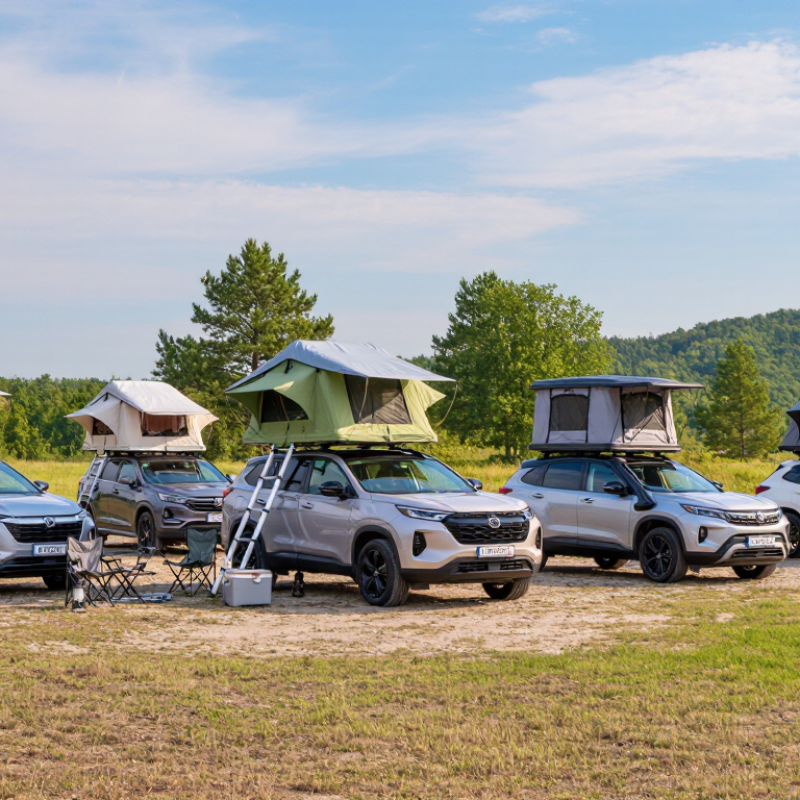
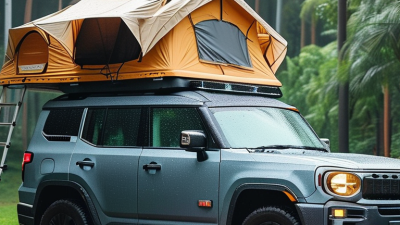
An auto roof tent is a compact sleeping platform that unfolds above the vehicle, using a hinged shell or fabric walls stretched over a rigid frame. Inside, a foam mattress stays in place during travel, so setup can take only a few minutes. The ladder carries much of the camper’s weight when occupied; the roof supports the tent while driving. That distinction matters. Check both the vehicle’s dynamic roof-load limit and the tent’s own specifications, because parked and moving loads are not interchangeable.
Unlike ground tents, roof tents keep sleepers above mud, puddles, and uneven stones. But they add height, weight, and wind resistance. The U.S. Department of Energy’s FuelEconomy.gov notes that an extra 100 pounds can reduce fuel economy by about 1 percent, though actual results vary by vehicle and driving conditions. A roof tent’s shape and crosswinds can also affect consumption, so the figure is not a prediction. Pack lighter. A small detail: measure garage clearance before fitting one. It is easy to forget. The trade-off is real: faster camp setup, but less headroom at home and more care needed on low branches, rough roads, and windy nights.
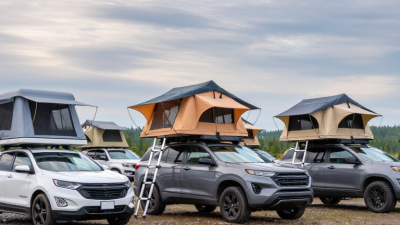
Roof tents generally fall into three types, and their prices reflect different materials, layouts, and setup methods. Soft-shell tents often cost about $1,000–$2,500. Their fabric folds over the vehicle’s roof, usually under a protective cover. They offer generous sleeping space for the price, but packing them away can take effort, especially after rain.
Hard-shell tents commonly range from $2,000–$5,000 or more. A rigid outer shell opens quickly and protects the bedding during travel. The trade-off is weight: check your vehicle’s roof-load limits and the rack’s capacity before buying. Inflatable models often sit around $1,500–$4,000. They use air-supported structures instead of many rigid poles, though setup time and repair options vary by design. These ranges are approximate; size, insulation, and included accessories can shift the final cost.
Tips: Compare the full setup, not just the tent price. A suitable rack, mattress, and weather cover may add several hundred dollars. Measure your parking height, too. A tent that fits your budget may still be awkward in a low garage. If possible, test the opening mechanism before purchase; I would not assume every quick-open design feels quick after a long drive.
Typical U.S. retail price ranges for roof tent types, in USD. Prices are approximate and vary by size, materials, season, and included accessories; vehicle racks and installation are not included.
When comparing seven roof tents, price is only the starting point. Check what each model includes, such as a mattress, rainfly, ladder, and mounting hardware. Then compare the full cost with your budget. A low price can look less appealing once essential extras are added.
Weight matters. Check the tent’s listed weight against your vehicle’s roof-load limits, including the rack and other gear. Static and driving limits are different, so consult the vehicle and rack manuals rather than guessing. Also measure the tent when closed; a bulky shell may affect garage clearance or fuel use. Check the numbers.
Sleeping capacity needs a practical reading. A tent advertised for three may feel cramped with bulky bedding, especially on a rainy night. Compare interior dimensions, mattress thickness, and usable floor space. For weather protection, look for clear details about fabric, seams, ventilation, and rain coverage. Setup time matters too, but advertised times may assume a practiced person and ideal conditions. Small details matter.
Finally, compare opening mechanisms, ladder adjustment, warranty terms, and replacement-part availability. A fast setup can be valuable after a long drive, yet a simpler design may be easier to maintain. I would not rank tents by one feature alone; weight, comfort, vehicle fit, and cost can pull in different directions. Check specifications carefully, and treat vague claims as a reason to ask more questions.
Choosing a roof tent starts with your vehicle, usual trips, and budget.
A basic soft-shell tent can suit occasional summer weekends, while a hard-shell model often opens faster in changing weather. Both add weight and height, so check your vehicle’s roof-load limits and rack capacity before buying. That detail is easy to overlook.
Seven styles cover different needs.
A compact two-person tent keeps weight and cost down for short trips. A roomier soft-shell model gives couples more sleeping space. A hard-shell tent with a quick-lift mechanism helps campers who move often.
For families, a wider tent with an annex can create useful sheltered space, though the extra fabric takes time to manage. A low-profile model may reduce wind resistance, but it can feel tight inside.
A four-season design offers sturdier fabric and better weather protection, yet may be excessive for mild-weather camping. Finally, a budget-focused tent can work well if its seams, ladder, and mounting hardware are carefully checked.
Small details matter on real trips.
Measure your garage clearance with the tent installed, and test the ladder on uneven ground. Read the setup instructions before you leave home. Practice once. A tent that looks simple in a product photo may feel awkward in rain or fading light. Think honestly about how often you will use it; paying more is not automatically better.
Choosing among the seven best auto roof tents starts with vehicle compatibility, not price. Check your vehicle’s dynamic roof rating, crossbar spacing, and permitted load in the owner’s manual. The tent, rack, bedding, and accessories must stay within that limit while driving. Static capacity is usually higher, but never assume it is unlimited. A compact vehicle may need a lighter tent, even when its roof appears strong.
During setup, park on firm, level ground and apply the parking brake. I have found that uneven surfaces make ladders shift and doors harder to close. Open the tent fully, then inspect every hinge, strap, and mounting bolt. Keep the ladder at a safe angle and avoid climbing with wet shoes. Strong wind changes the risk quickly. Close the tent when severe weather approaches. Do not cook inside, and keep flames away from fabric and vehicle surfaces. Check local campsite and parking rules before staying overnight.
Tips: Measure your vehicle roof and storage space first. Practice opening the tent at home. Pack lighter than necessary. Recheck bolts after the first drive and after rough roads. A small level, torque wrench, and headlamp are useful. I once underestimated condensation and packed the tent too early; moisture remained inside. Let the fabric dry before storage, even when the morning feels merely cool. A lower-priced tent can work well, but weak mounting hardware or awkward setup may cost more later.
A practical comparison of common roof-tent styles. Prices, weights, capacities, and setup times are indicative ranges; actual specifications vary by model. Always check the tent instructions and your vehicle and roof-rack load ratings before buying or travelling.
| Tent Style | Typical Price (USD) | Typical Weight | Usual Capacity | Vehicle Fit | Typical Setup | Safety and Practical Notes |
|---|---|---|---|---|---|---|
| Entry-level softshell | $700–$1,200 | About 90–130 lb | Usually 2 adults | Most suitable for vehicles with a compatible rack and adequate rated roof load; confirm bar spacing and mounting compatibility. | About 5–10 minutes after initial installation; unfolding and securing the cover are manual. | Check fabric, seams, ladder locks, and supplied fasteners regularly. Entry-level models may have fewer weather-resistant features. |
| Compact softshell | $1,000–$1,700 | About 80–115 lb | Usually 1–2 adults | A lighter option for some smaller vehicles, but the vehicle roof and rack ratings still determine suitability. | About 5–8 minutes; a compact sleeping area can take extra care when packing bedding. | Useful where lower packed weight matters. Verify that the open tent and ladder do not obstruct doors, hatches, or safe access. |
| Family-size softshell | $1,400–$2,400 | About 130–180 lb | Often 2 adults and 1–2 children, depending on interior dimensions and rated capacity | Typically needs a wider, adequately rated rack; check vehicle roof limits and tent mounting requirements before purchase. | About 8–15 minutes; larger covers and annexes add packing and setup time. | Do not exceed the tent’s stated occupancy or load limit. Keep children supervised on the ladder and platform. |
| Clamshell hard-shell | $1,800–$3,000 | About 110–160 lb | Usually 2 adults | Check the closed shell’s dimensions, rack crossbar spacing, and total installed load against vehicle limits. | Often about 1–3 minutes to open; closing may take longer if bedding must be repositioned. | A rigid shell can protect the folded tent, but it does not remove the need to secure mounts and observe roof-load limits. |
| Pop-up hard-shell | $2,200–$3,800 | About 120–180 lb | Usually 2 adults; some designs allow additional sleeping space | Best matched to a sturdy, compatible rack. Check the tent’s footprint and open-position clearance around the vehicle. | Often about 1–3 minutes to deploy; confirm all latches are fully engaged before use. | Inspect hinges, gas struts, and latches as directed by the manufacturer. Keep hands clear of moving parts. |
| Insulated hard-shell | $3,000–$5,000+ | About 140–220 lb | Usually 2 adults | The higher tent weight can rule out some vehicle-and-rack combinations; calculate the full installed load before buying. | Often about 1–4 minutes to open; heavy units may require multiple people for installation. | Insulation can improve comfort but does not make a tent safe for unattended heating appliances. Ventilate and follow all equipment safety instructions. |
| Annex-ready softshell | $1,600–$3,000, often more with annex | About 120–190 lb, excluding some accessories | Usually 2 adults; annex provides extra sheltered ground space, not extra roof-bed capacity | Check roof-rack ratings, rear-hatch clearance, and whether the annex fits the vehicle’s height and tent layout. | About 8–15 minutes for the tent; allow additional time to attach and stake the annex. | Stake the annex securely and use it only in suitable conditions. Take it down if wind or weather makes the structure unstable. |