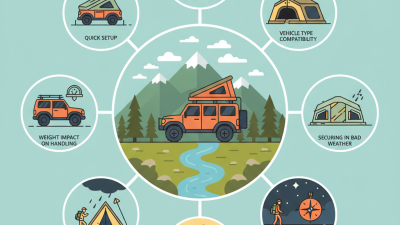
What Is the 2026 Best Top Tent Car?
What Is the 2026 Best Top Tent Car? It is not simply the tallest SUV with a rooftop tent. A strong choice combines roof strength, dependable handling, comfortable access, and practical camping space. The right vehicle should carry the tent without exceeding its approved roof limits. It must also remain stable on uneven roads, gravel tracks, and exposed campsites. These details matter.
The best answer depends on how and where you travel. A compact crossover may suit short weekend trips and easier city driving. A larger four-wheel-drive vehicle may offer better clearance, storage, and rough-road confidence. Neither option wins every trip. This guide will compare vehicle capacity, rooftop compatibility, fuel use, interior storage, and setup time. Real-world details matter more than impressive brochures. Imagine opening the tent after rain, lifting muddy equipment, or climbing a narrow ladder in strong wind. A comfortable design can change the entire camping experience.
Manufacturer specifications provide a useful starting point. Independent testing and owner feedback add valuable evidence. Still, owner reports can reflect personal habits, weather, and different vehicle configurations. No test is perfect. I would also question claims based only on appearance or marketing language. A rooftop tent adds weight and raises the center of gravity. That affects braking, cornering, and efficiency. The 2026 best Top Tent Car should therefore balance adventure with responsible preparation. Readers should check local requirements, vehicle limits, warranty terms, and professional fitting advice before choosing. Some findings may remain subjective, and that uncertainty deserves honest attention.
Definition of a 2026 Rooftop-Tent Car
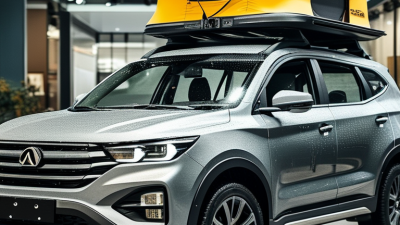
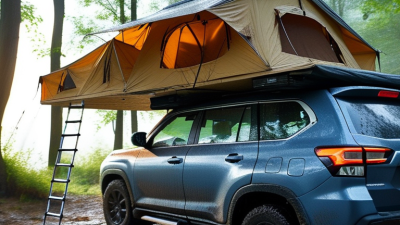
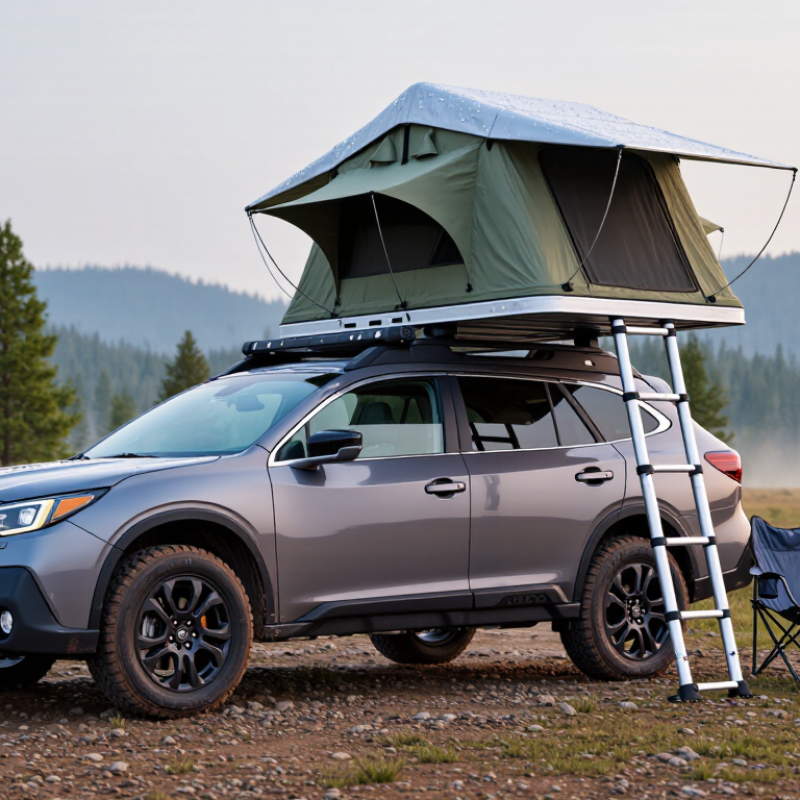
In 2026, a rooftop-tent car means a road vehicle fitted with a foldable sleeping shelter on its roof. It is not a special car category. The vehicle remains a standard passenger car, sport utility vehicle, or pickup. The roof tent creates an elevated sleeping platform above the ground. At camp, the closed shell opens into fabric walls, a mattress, and a small ladder. That distinction matters.
A reliable definition must include safety, not only appearance. A suitable vehicle needs enough roof strength, stable handling, and secure mounting points. The roof-load rating while driving differs from the parked load rating. This detail is often misunderstood. A tent, bedding, and occupants can exceed the safe limit quickly. Measure the complete weight, not the empty tent. Check the vehicle manual and installation instructions before traveling. Do not rely on guesswork.
The phrase “best top tent car” usually describes the best vehicle-and-tent combination for a person’s needs. A compact car may save fuel but offer limited roof space. A larger vehicle can carry more equipment, yet it may feel awkward in narrow parking areas. Wind noise, ladder access, condensation, and cold flooring also affect real use. I have found that comfort claims can look stronger online than they feel after a wet night. A careful buyer should test the setup at home, inspect every attachment point, and leave room for changing weather.
What Is the 2026 Best Rooftop-Tent Car?
The best rooftop-tent car is not simply the largest vehicle. It should safely support the tent while driving, provide enough static roof strength for occupants when parked, and offer a roof large enough for the tent base and mounting system.
The chart shows representative midpoint values from commonly published roof-load ranges: dynamic load refers to driving, while static load refers to a stationary vehicle. Always confirm the exact roof, rack, tent, and occupant limits in the vehicle and accessory manuals before installation.
Key Factors for Choosing the Best Rooftop-Tent Vehicle
What Is the 2026 Best Top Tent Car?
Choosing the best rooftop-tent vehicle starts with payload, not appearance. Payload includes passengers, luggage, accessories, and the tent itself. A tent weighing 65 kilograms can consume capacity quickly. Payload comes first.
The U.S. Department of Energy reports that every additional 100 pounds may reduce fuel economy by up to 1 percent. That matters on long climbs and remote gravel roads. Check the vehicle’s owner manual, door-jamb label, and roof-load limits. Dynamic roof capacity applies while driving. Static capacity applies when parked, but never assume it is unlimited. Measure twice.
Ground clearance and four-wheel traction help on uneven tracks, yet they cannot fix poor weight distribution. Keep heavy equipment low and centered inside the vehicle. A longer wheelbase usually feels calmer under load, while a shorter body may fit tighter trails. Parking space matters too. The rooftop tent can raise the total height beyond many garages and forest barriers.
The 2024 Outdoor Participation Trends Report from the Outdoor Industry Association recorded 57.8 million U.S. camping households. That growth increases demand for practical, repeatable setups. However, crowded destinations make easy packing and quiet deployment valuable. I still overvalue rugged styling sometimes. A simple test drive with the loaded vehicle reveals more than photographs. Check braking feel, roof flex, wind noise, and fuel consumption before buying. Reliability also means inspecting mounting hardware after rough roads, not only trusting the initial installation.
What Is the 2026 Best Top Tent Car? - Key Factors for Choosing the Best Rooftop-Tent Vehicle
A practical comparison of common vehicle categories for rooftop-tent use. The best choice balances roof-load limits, payload, interior utility, stability, and access to suitable camping terrain.
| Vehicle Category |
Typical Curb Weight |
Typical Payload |
Typical Dynamic Roof Load |
Typical Wheelbase |
Typical Cargo Capacity |
Rooftop-Tent Compatibility |
Best Use Case |
| Compact Crossover |
1,400–1,800 kg |
400–650 kg |
50–75 kg |
2.60–2.75 m |
350–600 L behind the rear seats |
Good with a lightweight tent |
Solo or two-person trips, paved roads, moderate gravel, and everyday driving |
| Midsize SUV |
1,800–2,300 kg |
500–800 kg |
75–100 kg |
2.75–2.95 m |
550–950 L behind the rear seats |
Very good for most setups |
Two to four occupants, mixed road conditions, and longer self-supported trips |
| Full-Size SUV |
2,300–3,000 kg |
650–1,000 kg |
90–120 kg |
2.90–3.20 m |
700–1,300 L behind the rear seats |
Excellent for larger tents |
Families, heavy camping equipment, towing, and extended remote travel |
| Pickup Truck |
1,900–2,800 kg |
650–1,100 kg |
75–100 kg on the cab roof |
3.00–3.60 m |
1.50–2.00 m typical bed length |
Excellent with bed or canopy mounting |
High payload, bulky equipment, rough terrain, and camping away from paved roads |
| Station Wagon |
1,500–2,100 kg |
450–700 kg |
60–90 kg |
2.70–2.95 m |
500–800 L behind the rear seats |
Good when roof limits are verified |
Efficient highway travel, low center of gravity, and lightweight camping loads |
| Multi-Purpose Vehicle |
1,700–2,400 kg |
500–800 kg |
60–90 kg |
2.80–3.20 m |
700–1,500 L depending on seating layout |
Good for family-oriented camping |
Multiple occupants, flexible seating, and substantial interior storage requirements |
Selection rule: Confirm the vehicle’s manufacturer-rated dynamic roof load, roof-rack limit, axle loads, tire-load rating, and maximum gross vehicle weight before installation. A typical rooftop-tent system weighs about 45–75 kg, while occupants and bedding may add another 150–250 kg when the vehicle is parked. Static roof capacity is vehicle-specific and must not be assumed from dynamic roof-load figures. Real specifications vary by engine, drivetrain, body length, seating configuration, market, and optional equipment.
Vehicle Types and Their Rooftop-Tent Compatibility
What Is the 2026 Best Top Tent Car?
Vehicle Types and Their Rooftop-Tent Compatibility
The best rooftop-tent vehicle in 2026 is not defined by size alone. It must combine payload capacity, roof strength, wheelbase stability, and practical access. The Outdoor Industry Association reported 175.8 million Americans participated in outdoor recreation in 2023. That growth increases interest in compact camping setups, but compatibility still requires careful checking.
Body-on-frame SUVs and pickup trucks usually offer stronger payload ratings and better clearance on uneven trails. They suit heavier tents, recovery equipment, and two occupants. However, a high center of gravity can make cornering feel slower. Full-size vehicles may also exceed the useful limits of narrow forest roads. Bigger is not automatically better.
Unibody crossovers, wagons, and hatchbacks can carry rooftop tents when their approved roof-load ratings support the combined system. Check the vehicle manual, rack rating, tent weight, and occupant load separately. ISO 11154 guidance for load-carrying devices also reinforces the need for properly secured mounting systems. Dynamic roof load matters while driving; static capacity matters when parked. These figures are not interchangeable. I once assumed a strong-looking roof meant generous capacity. That was a poor shortcut. Measure rear-hatch clearance, suspension sag, and door operation before installation. A level campsite can expose less risk than a sloped one, but real conditions rarely stay perfect.
How to Select the Right 2026 Rooftop-Tent Car for Your Needs
What Is the 2026 Best Top Tent Car?
Choosing the right 2026 rooftop-tent car starts with your travel habits, not appearance. A compact vehicle may suit short weekend trips and narrow forest roads. Longer journeys require better cargo space, stable handling, and comfortable seating. Check the vehicle’s dynamic roof-load limit before buying a tent. This figure matters while driving. The tent, roof rack, bedding, and accessories must stay within that limit. Also check the static limit for overnight use. Never rely on guesswork.
Your car should have reliable brakes, healthy tires, and suspension suited to the added height. A higher roof can increase wind noise and reduce fuel efficiency. Measure the vehicle, tent base, garage entrance, and campsite clearance carefully. I once underestimated ladder length and struggled on uneven ground. That small mistake made setup slower than expected. All-wheel drive can help on loose surfaces, but it cannot replace careful driving or suitable tires. Consider payload capacity, spare-parts access, and local road requirements before purchasing.
Tips: Test-fit the rack and tent with a qualified installer. Pack your normal gear and inspect rear visibility. Choose a tent you can open without blocking doors or emergency access. Practice setup in daylight and light rain. Read the vehicle manual and tent instructions together. A professional inspection may reveal roof limits, fitting errors, or uneven weight distribution. You may need less equipment than expected. That is worth reconsidering.