What Is a Vehicle Roof Tent and How Does It Work?
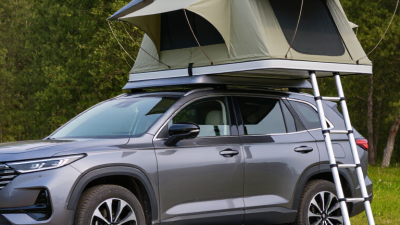
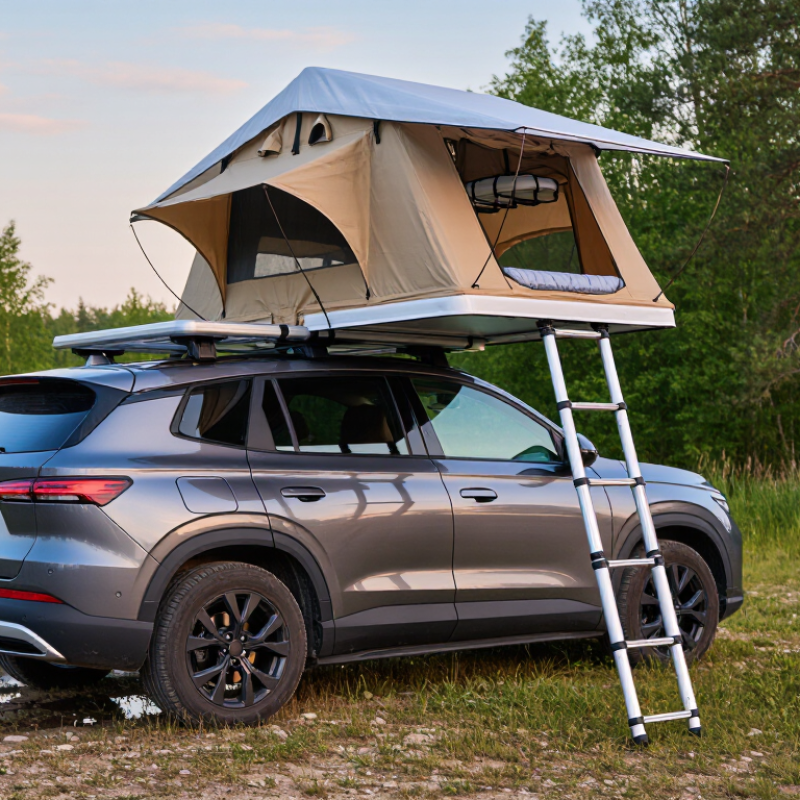
A Vehicle Roof Tent is a portable sleeping shelter mounted above a car, SUV, or pickup. It usually folds into a compact shell during travel. At camp, gas struts or hinged supports lift the upper section. A ladder then unfolds from the side.
The idea is simple. Your vehicle carries the bedroom. You do not need to search for flat, dry ground. Instead, the tent creates a raised sleeping platform above mud, stones, and shallow puddles. iKamper founder Kim Ki-hyun describes the concept clearly: “A roof tent turns the roof of your vehicle into a bedroom.” That description feels accurate, although it leaves out important details. The vehicle still needs a suitable roof-rack system. The tent must also remain within the manufacturer’s dynamic and static weight limits.
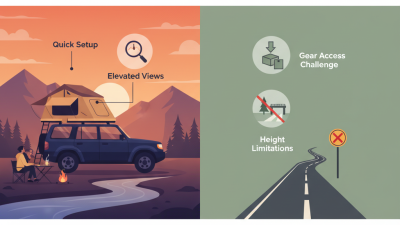
A Vehicle Roof Tent can be ready in minutes. Open the travel cover, release the buckles, raise the shell, and extend the ladder. Inside, a foam mattress, mesh windows, and a small ceiling space can make the night feel surprisingly comfortable. Wind is noticeable. So is movement. The vehicle’s roof height may also make access difficult for children or older travelers.
It is not magic.
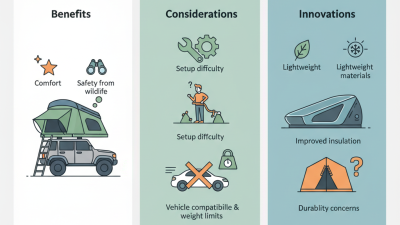
This guide explains how the structure works, how mounting affects performance, and what daily use really feels like. It also considers the less attractive parts, including added vehicle height, fuel consumption, condensation, and setup fatigue. A roof tent can simplify camping, but it cannot replace careful planning, sensible loading, or honest self-assessment.
What Is a Vehicle Roof Tent?
A vehicle roof tent is a compact sleeping shelter carried on a vehicle’s roof. It usually includes a foldable platform, weather-resistant fabric, windows, and a thin mattress. When closed, it forms a low rooftop case. When opened, it becomes an elevated bed above the ground.
The tent attaches to a suitable roof rack, not directly to a bare vehicle roof. Its hinges, supports, and telescoping ladder help create a stable sleeping space within minutes. The ladder also provides the main entrance.
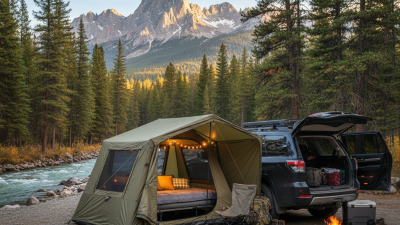
From practical experience, the raised position keeps sleepers away from damp soil, small insects, and uneven ground. It can also improve airflow through elevated windows.
However, a roof tent is not a weight-free upgrade. The rack must support the tent and its occupants while parked. The vehicle’s moving-load limit may be lower than its stationary limit, so both figures deserve careful checking. Strong wind can make the fabric noisy and affect stability. I have also found that packing wet material too quickly can create unpleasant mildew later. That small mistake is easy to repeat.
Drivers should close the tent fully, secure every latch, and inspect the ladder before travel. Setup feels simple, but poor leveling can disturb sleep and strain the platform. A roof tent suits travelers who value quick camps, though climbing down at night is not ideal for everyone.
How a Vehicle Roof Tent Is Mounted and Deployed
What Is a Vehicle Roof Tent and How Does It Work?
A vehicle roof tent is a sleeping shelter mounted above the vehicle’s roof. It uses a roof-rack system, mounting rails, clamps, and locking hardware. Before installation, check the vehicle’s dynamic and static roof-load limits. The dynamic limit applies while driving. The static limit includes people, bedding, and the tent when parked.
Mounting should begin on level ground. Position the tent evenly across two compatible crossbars, then tighten each clamp to the specified torque. Uneven pressure can twist the base or loosen fasteners. ISO 11154:2016 provides safety guidance for vehicle roof carriers, but the tent instructions still matter. They may require different bar spacing or a stronger mounting plate.
Deployment is usually simple. Release the travel straps, unlock the case, and lift the upper shell. Gas struts or hinged panels help the fabric unfold. Extend the telescoping ladder until every section locks firmly. The ladder transfers part of the load to the ground, so its angle must remain stable. Then attach the rainfly, tension the corners, and inspect the seals. It takes only minutes.
Outdoor demand is substantial. The Outdoor Industry Association’s 2024 participation report recorded 175.8 million U.S. outdoor participants in 2023. That growth does not remove practical risks. Wind, poor parking surfaces, and overloaded racks still create problems. I would recheck the clamps after the first drive. Small oversights happen. A level tent, dry fabric, and cautious weight distribution matter more than fast setup.
What Is a Vehicle Roof Tent and How Does It Work?
A vehicle roof tent is a foldable shelter secured to a roof-rack system. The chart shows typical time ranges for mounting and deploying a roof tent during normal use.
Deployment generally involves releasing the travel cover, opening the tent body, extending the support ladder, and securing the rainfly and interior. Actual times vary with tent design, weather, and user experience.
Key Components and Sleeping Features
A vehicle roof tent is a compact sleeping shelter mounted above a car, van, or utility vehicle. Its rigid base connects to roof rails through reinforced mounting brackets. A folding ladder supports access and helps distribute movement during entry. When opened, the tent creates an elevated sleeping platform away from wet ground, mud, and small crawling insects.
The sleeping system usually includes a foam mattress, waterproof fabric, mesh windows, and a rain cover. The mattress should fill the platform evenly, without blocking the tent’s folding mechanism. Mesh panels improve airflow while reducing insects, especially during warm nights. Small storage pockets keep headlamps, glasses, and water within reach. Ventilation matters more than many new users expect. Condensation can collect under the roof fabric when breathing meets cold surfaces.
In practical use, setup depends on level parking and secure mounting. A stable base reduces movement and protects the vehicle’s roof structure. Before sleeping, check every latch, hinge, strap, and ladder angle. Do not assume a locked shell is fully secure. Wind can also make the tent noisy and uncomfortable. A thicker mattress may improve sleep, but it can reduce folding space. That trade-off is easy to overlook. Experienced campers often test the tent at home first, including opening it in darkness. Small mistakes become obvious then.
Types of Vehicle Roof Tents and Their Differences
A vehicle roof tent turns a parked vehicle into a raised sleeping space. It usually folds flat during travel and opens at camp. The roof rack carries its weight, while gas struts or hinges help lift the upper shell. From field use, setup often takes only a few minutes, but uneven ground can still affect comfort.
The main types are hard-shell, soft-shell, and hybrid roof tents. Hard-shell models open quickly and protect bedding from rain, dust, and wind. Their rigid exterior also creates less fabric noise at night. Soft-shell tents usually offer more interior space and a larger entrance area. However, they need more careful folding and drying after wet trips. Hybrid designs combine a hard roof with fabric walls. They balance weather protection and living space, though their hinges and seals may need closer inspection. I once underestimated roof height near low branches. That mistake was avoidable.
Tips: Check the vehicle’s dynamic roof-load limit before buying. Measure the packed tent, rack, and passengers’ equipment together. Inspect ladder locks, stitching, hinges, and waterproof seals before every trip. A thin mattress topper can improve sleep, but it may prevent the tent from closing properly. Ventilation matters too. Condensation appears quickly in cold weather. Open vents slightly, even when rain threatens, and dry the tent fully before storage.
Safety, Setup, and Practical Use Considerations
A vehicle roof tent is a sleeping shelter mounted on a properly rated roof rack. It unfolds above the vehicle and usually includes a mattress, fabric walls, and a folding ladder. The raised position keeps sleepers away from wet ground, mud, and some crawling insects. It does not make every campsite safer.
Safety begins before departure. Check the rack, tent, fasteners, and vehicle roof limits every time. Dynamic load ratings apply while driving, while static ratings apply when parked. Park on firm, reasonably level ground, away from falling branches and flood-prone areas. Set the ladder at a stable angle and test each step before climbing. Keep heavy equipment low inside the vehicle. Never use a stove, heater, or open flame inside the tent. Ventilation matters, even in cold weather. Condensation can soak bedding overnight.
Setup is usually quick, but haste causes mistakes. Secure the vehicle, release the cover, unfold the tent, and lock every support point. Check the weather before opening it. Strong wind can strain fabric, hinges, and mounting hardware. Leave an easy exit path, especially when children or pets are present. Road clearance also deserves attention; the closed tent may raise the vehicle significantly. A low branch can cause expensive damage. I would not trust a “universal” fit without measuring the rack and roof. Small gaps, uneven loading, and forgotten straps become serious problems on rough roads. Practice setup at home first. It feels less impressive, but it exposes weaknesses early.