Leave Your Message
A Car Camping Tent should make the hours outside your vehicle more comfortable, not add needless work. For 2026, this guide looks at ten options for different trips, group sizes, and budgets. The right choice depends on more than a product photo or a printed capacity number. It should suit your vehicle, campsite, and usual weather.
Space matters. A tent rated for four people may feel crowded once sleeping pads, bags, and muddy shoes are inside. Check floor dimensions, peak height, door placement, and storage features. Setup time also counts, especially when rain arrives or daylight fades. Small details matter. Ventilation, rainfly coverage, seam construction, and sturdy poles can shape comfort and shelter, but no tent removes every weather risk.
Car camping allows you to bring a larger, heavier shelter than you might carry on a trail. Still, packed size can compete with coolers and other gear in a full trunk. This roundup weighs comfort, setup, weather protection, durability, and value, while noting the compromises each style can bring. A dome tent may be simple to pitch, while a cabin design can offer more standing room; neither is ideal for everyone. That is easy to overlook. Use the comparisons to narrow your options, then confirm current specifications and fit before buying. A little planning helps, though the campsite may still surprise you.
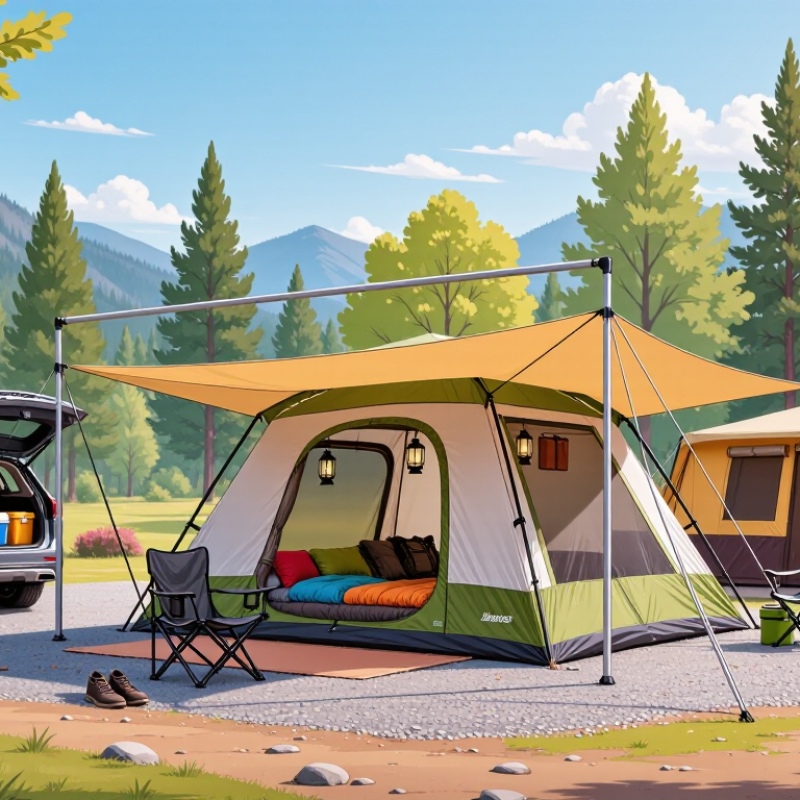
A car-camping tent is designed for trips where your vehicle stays nearby, so carrying every piece of gear on your back is not the priority. That changes the trade-offs. A heavier tent can offer room for a thick sleeping pad, duffel bags, and a child who moves around at night. Some models also have taller ceilings and broad doors, making it easier to change clothes or reach a headlamp after dark. Small comforts matter.
Compared with a backpacking tent, a car-camping tent often uses larger poles and more fabric. The extra space can mean a longer setup and more bulk in the trunk, though weight matters less than it does on a trail. A rooftop tent is different again: it mounts to a vehicle, while a ground tent needs a clear, reasonably level patch of soil. Check the packed dimensions before buying; “fits in the car” can be optimistic when coolers and chairs are already loaded. Look for sturdy stakes, well-sealed seams, and ventilation that limits condensation on cool mornings. A roomy tent is tempting, but a complicated pitch can feel frustrating in rain. It is easy to overvalue floor space. Think about who will set it up, how much gear stays inside, and whether the campsite allows enough room.
The options below are tent styles suited to drive-up campsites, rather than specific branded products. Area, weight, and setup time are approximate typical ranges; actual specifications vary by design and model.
| Rank | Tent Type | Typical Capacity | Approx. Floor Area | Typical Packed Weight | Typical Setup | Best For | How It Differs |
|---|---|---|---|---|---|---|---|
| 1 | Four-person dome tent | 3–4 people | About 55–65 sq ft | About 8–15 lb | 10–20 minutes | Couples or small families wanting a versatile first tent | Curved pole structure offers a practical balance of stability, space, and straightforward setup. |
| 2 | Six-person dome tent | 4–6 people | About 80–100 sq ft | About 12–22 lb | 15–25 minutes | Families who want a roomy sleeping area without a complex frame | More floor space than a compact dome, but usually less vertical room than a cabin tent. |
| 3 | Cabin-style tent | 4–10 people | About 70–170 sq ft | About 15–35 lb | 15–30 minutes | Campers who value standing room and usable interior space | Near-vertical walls create more headroom; the larger shape can be less wind-stable than a low dome. |
| 4 | Instant-frame tent | 4–10 people | About 60–150 sq ft | About 15–35 lb | Often 2–10 minutes | New campers or groups who want a faster pitch | Pre-attached or integrated poles speed setup, often at the cost of a bulkier, heavier packed bundle. |
| 5 | Three-room family tent | 6–12 people | About 100–200 sq ft | About 25–45 lb | 20–40 minutes | Larger families or groups needing separate sleeping areas | Removable dividers provide privacy, but add setup steps and require a larger campsite. |
| 6 | Tunnel tent | 4–8 people | About 80–150 sq ft | About 15–30 lb | 15–30 minutes | Campers seeking a long sleeping area and covered vestibule space | Hooped poles create a long, efficient interior; it generally needs secure anchoring and careful orientation in wind. |
| 7 | Screen-room combo tent | 4–8 people | About 80–140 sq ft, including screened area | About 18–35 lb | 20–35 minutes | Warm-weather trips with bugs or a need for sheltered lounging space | An attached mesh room provides ventilation and insect protection, but is not a substitute for a fully enclosed sleeping area. |
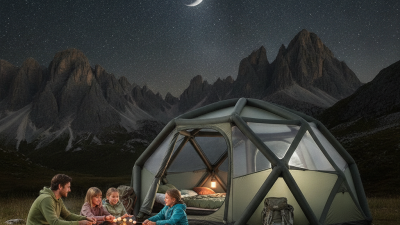
| 8 | Inflatable-beam tent | 4–8 people | About 70–140 sq ft | About 20–40 lb | Often 10–20 minutes with a pump | Campers who prefer air-filled supports over assembling multiple poles | Inflatable beams replace conventional poles; a suitable pump is needed, and weight can be substantial. |
| 9 | Large vestibule tent | 2–6 people | About 40–100 sq ft, plus vestibule | About 8–20 lb | 10–25 minutes | Trips where muddy boots, packs, or cooking gear need covered storage | An extended rainfly or vestibule adds sheltered gear space without enlarging the enclosed sleeping area. |
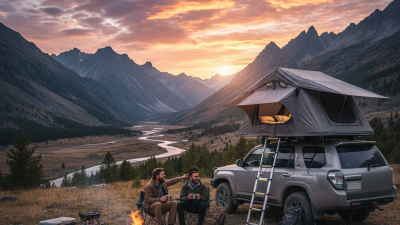
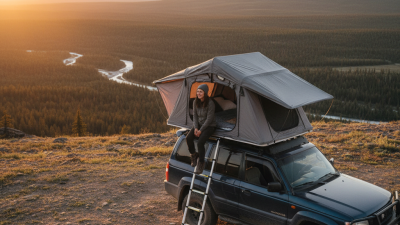
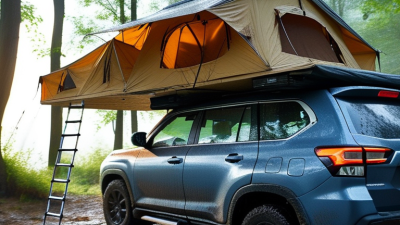
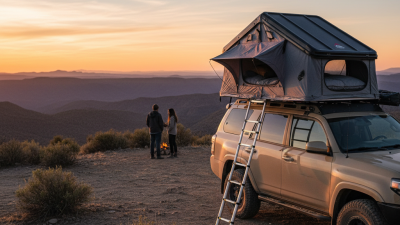
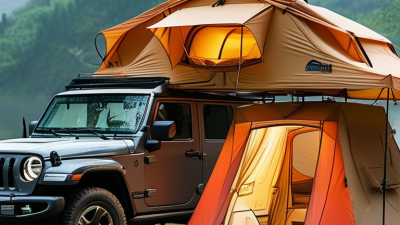
| 10 | Roof-top tent | 2–4 people | About 20–50 sq ft | About 80–200 lb, excluding some mounting hardware | Often 5–15 minutes once mounted | Vehicle-based trips where an elevated sleeping platform is preferred | Mounts to a vehicle rather than pitching on the ground; requires a compatible roof-rack system and attention to vehicle load limits. |